NO REFERRAL NEEDED • PHYSICIAN-LED
Menopause Consultations
in Stony Plain, AB


Compassionate, Physician-Led Menopause Care for Women in Edmonton & surrounding areas
You don't have to suffer alone
Many Alberta women seek evidence-based care for symptoms related to menopause, including dryness, discomfort, urgency, and tissue thinning.
Menopause and perimenopause can affect every part of your life — from sleep and mood to weight changes, intimacy, energy, and bladder health.
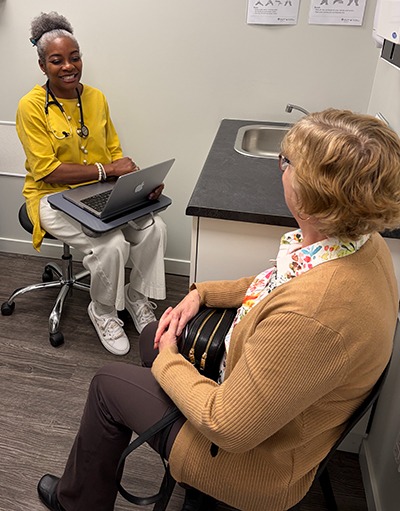

Evidence-based and physician-led treatments
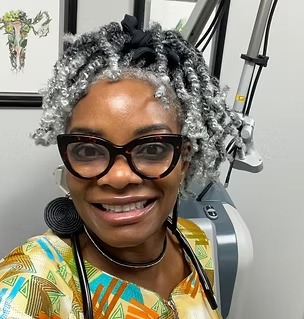
Dr. Aluko is a dedicated member of the Canadian Menopause Society and the Menopause Society (formerly North American Menopause Society) and an expert in women’s vaginal health.
Dr. Aluko's focus on accessible solutions for women suffering from Vaginal Atrophy has earned her recognition as a leading expert in the field.

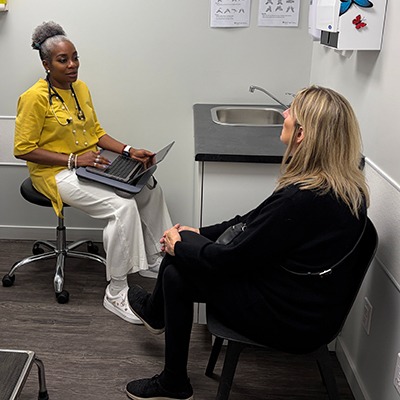
Our Approach to Menopause Consultation
Dr. Aluko will request a full medical history, explore your symptoms at length, review preventive healthcare and may request lab work.
Options for both pharmacological and non-pharmacological treatments will be discussed.

Compassionate Care for Every Stage of Menopause
Dr. Aluko's goal is to empower women in the Edmonton region with the knowledge and support they need to thrive during menopause and beyond.
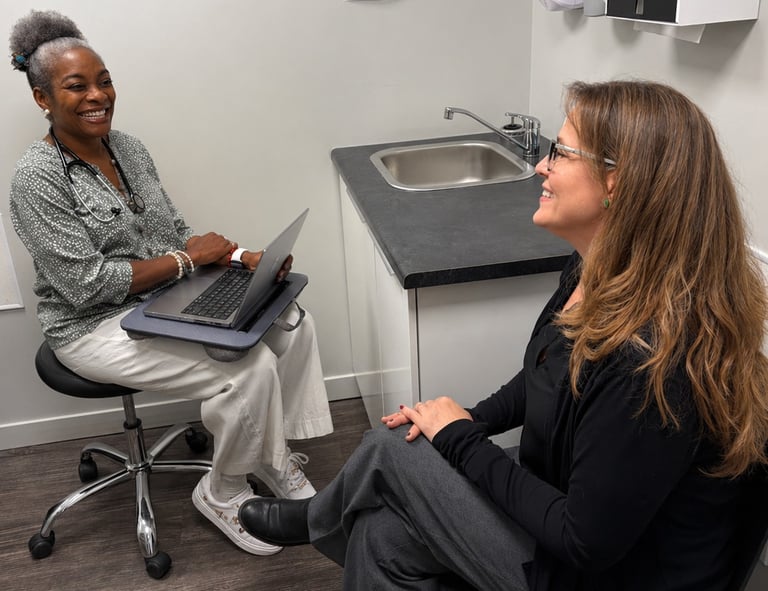

Dr. Aluko's Personalized Treatment Plan, designed just for you
✔ After the consultation & assessment, your personalized care plan may include:
✔ Hormone replacement therapy (HRT) options
✔ Menopause symptom management
✔ Emotional support and mental well-being
✔ Nutrition and fitnewss guidance
✔ MonaLisa Touch® for vaginal dryness and tissue health
✔ BTL Emsella® for bladder control and pelvic floor support
✔ PRP tissue healing and regenerative therapies


Yes, I'd like more information
Frequently asked questions
What is menopause and when does it typically start?
Menopause is a natural stage of life that marks the end of menstrual cycles and fertility. It is officially diagnosed after 12 consecutive months without a period.
Most women experience menopause between the ages of 45 and 55, with the average age being around 51. It occurs as hormone levels—especially estrogen—decline over time.
At U Renew, Dr. Aluko supports women from Stony Plain, Spruce Grove, St. Albert, Sherwood Park, Leduc and the greater Edmonton area through every stage of menopause with personalized care.
What are the most common symptoms of menopause?
Menopause symptoms vary widely, but may include:
Hot flashes and night sweats
Sleep problems
Mood changes or anxiety
Vaginal dryness and discomfort
Memory or concentration issues
Weight gain
Not all women experience symptoms, and many improve over time. Lifestyle choices and treatment options can significantly impact how you feel during this transition.
What is perimenopause and what symptoms should I expect?
Perimenopause is the transitional phase leading up to menopause, when hormone levels begin to fluctuate.
Common symptoms include:
Irregular periods
Hot flashes and night sweats
Mood changes
Sleep disturbances
Vaginal dryness
Weight changes
Every woman’s experience is different. For many, this is the ideal time to address symptoms early and take a proactive approach to long-term health.
What is postmenopause?
Postmenopause refers to the years after menopause has occurred. During this stage, hormone levels remain consistently low.
While some symptoms may improve, others—such as vaginal dryness or changes in bone density—may persist and benefit from ongoing care.
What is induced menopause?
Induced menopause occurs when menopause is triggered by medical treatments rather than natural aging.
This can happen after:
Surgical removal of the ovaries
Chemotherapy or radiation
Certain medications
Symptoms such as hot flashes, vaginal dryness, and sleep disturbances may appear suddenly and feel more intense compared to natural menopause.
Is it normal to have a lower sex drive during menopause?
Yes—changes in sexual desire are common during menopause, but they are not the same for everyone. Some women experience decreased libido, while others notice no change or even an increase.
Lower estrogen levels can lead to vaginal dryness and discomfort during intercourse, which may affect desire. However, emotional, psychological, and relationship factors can also play a role.
If this is affecting your quality of life, a consultation can help identify the cause and explore treatment options.
Can menopause cause headaches or migraines?
Yes, hormonal changes during perimenopause can contribute to headaches or migraines—especially in women who have previously experienced hormone-related headaches.
For many women, headaches improve after menopause when hormone levels stabilize. However, if you experience severe or unusual headaches, it’s important to seek medical evaluation.
Why am I having trouble sleeping during menopause?
Sleep disturbances are common during menopause and may be caused by:
Night sweats (hot flashes during sleep)
Hormonal changes
Stress or anxiety
Sleep conditions such as sleep apnea
Improving sleep habits—such as maintaining a consistent bedtime, avoiding caffeine, and keeping your bedroom cool—can help. If symptoms persist, further evaluation may be recommended.
Does menopause cause mood swings or depression?
Many women experience mood changes during perimenopause, including irritability, anxiety, or low mood.
While most women do not develop clinical depression, those with a history of depression, PMS, or high stress may be more vulnerable.
If mood changes are affecting your daily life, treatment options are available and can be discussed during your consultation.
How can I treat vaginal dryness during menopause?
Vaginal dryness is one of the most common menopause symptoms and can lead to discomfort, painful intercourse, and urinary symptoms.
Treatment options include:
Vaginal moisturizers and lubricants
Lifestyle changes (avoiding irritants like scented products)
Hormone-based therapies
Non-hormonal treatments such as laser therapy
At our Stony Plain medical centre, we offer personalized solutions for women from across the Edmonton area seeking relief from vaginal dryness and discomfort.
What can I do to improve my skin during menopause?
Hormonal changes during menopause can lead to reduced collagen, dryness, and loss of skin elasticity.
To support healthy skin:
Use daily sunscreen
Stay hydrated
Maintain a balanced diet
Prioritize sleep
Advanced treatments such as PRP (platelet-rich plasma) may also help improve skin texture and appearance. Ask about options during your consultation.
Yes, I'd like more information
U Renew
Phone: 780-968-6888
Cell/Text: 780-264-2874
hello@urenew.ca
© 2026 Bisi Aluko Professional Corporation | Privacy Policy | Contact